Clean water matters more than you think
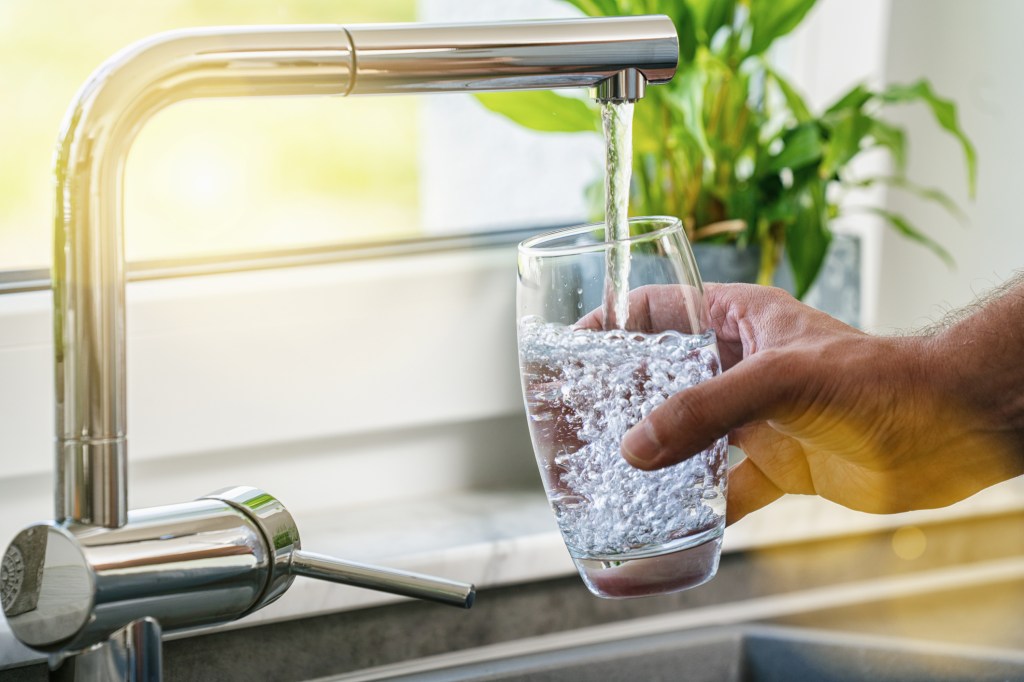
When you turn on the tap, you expect safe water to flow out. But across the U.S., millions of people face contamination every year, sometimes without even knowing it.
In 2021, more than 26 million Americans were served by water systems with health violations, from dangerous bacteria to toxic chemicals. This isn’t a distant problem. It affects families in cities and small towns alike, even when the water looks perfectly clear.
“Without regard to whether some place is wealthy or poor, everybody should have the chance at clean air and clean water”
Barack Obama
Contaminants can come from many places. Some start in aging pipes that leach lead into drinking water. Others wash off farms as nitrates and pesticides. Some pollutants, like PFAS—nicknamed “forever chemicals”—linger in the environment for decades.
Here are a few of the most common threats:
- Lead: Linked to learning problems and developmental delays.
- Nitrates: Especially dangerous for infants, causing “blue baby syndrome.”
- Bacteria and parasites: Like E. coli, which can trigger sudden illness.
- PFAS: Industrial chemicals that build up in the body over time.
Fun Fact:
In some rural areas, nitrate contamination from fertilizer runoff is so severe that families rely entirely on bottled water.
Not all water-related illnesses take years to appear. Some show up fast.
Drinking contaminated water can cause stomach cramps, diarrhea, and vomiting. These symptoms are more than an inconvenience—especially for young children and older adults, who can become dangerously dehydrated.
Skin rashes and irritation are also common when bacteria or chemicals are present.

Other dangers build slowly. Years of drinking water with arsenic, certain industrial chemicals, or high levels of disinfection byproducts have been linked to higher rates of cancer.
For children, chronic exposure to lead and similar contaminants can cause permanent learning and behavior problems.
Some pollutants, like PFAS, interfere with hormones and the immune system. Even at low levels, these chemicals can accumulate in the body over time.
“Water is life, and clean water means health.”
Audrey Hepburn
Everyone deserves clean water. But some groups face higher risks when contamination occurs.
Infants and young children absorb more pollutants relative to their size. Pregnant women can pass contaminants to unborn babies. Older adults and people with compromised immune systems are more likely to get sick from bacteria and parasites.
If your household relies on a private well, you’re also more exposed, since wells are not regulated the same way as public water systems.
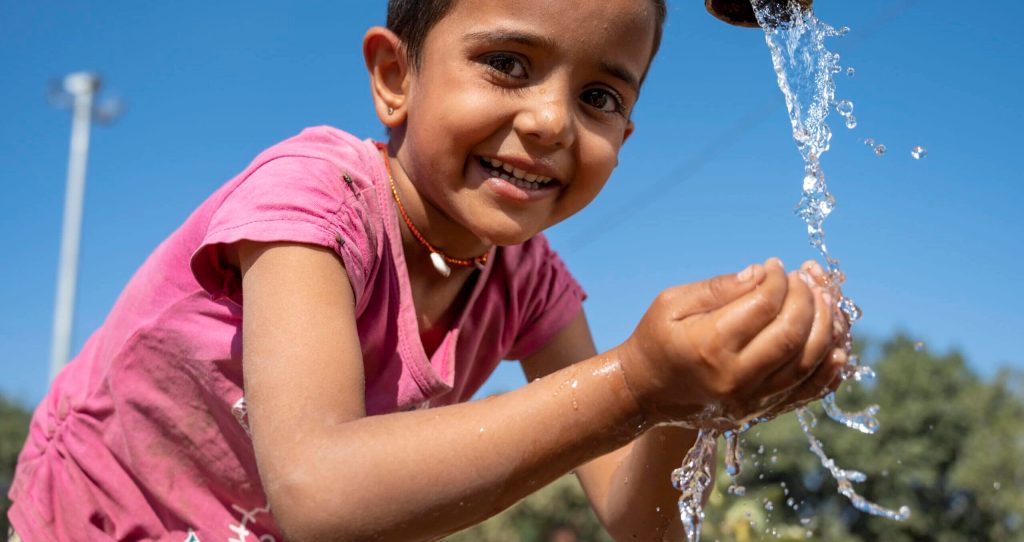
It can feel overwhelming to think about all the ways water can be contaminated. But there are simple, effective steps you can take:
- Test your water regularly. Home kits can check for lead, nitrates, and bacteria.
- Use a certified filter. Not all filters remove the same contaminants, so look for NSF-certified options.
- Stay informed. Sign up for alerts from your local water authority, especially if you rely on a private well.
Even small precautions can give you peace of mind.
Ready to learn more or take action? Start here:
- CDC Safe Water Guide
- EPA Drinking Water Standards
- Local Water Quality Reports
- Contact local testing services or public health departments for help.
 Pure Water For People