
Be vigilant of what you drink!
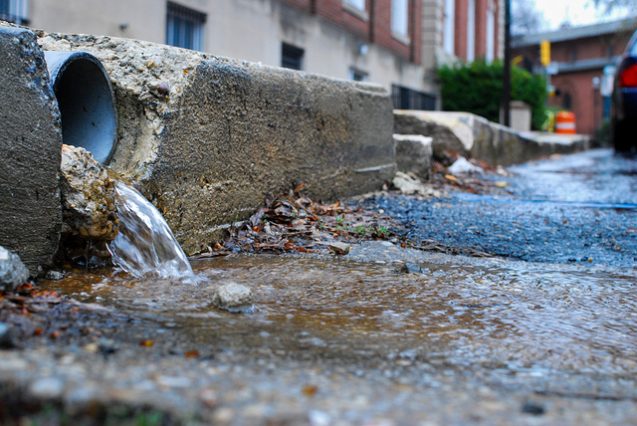
Every time it rains, something unexpected happens. Water rushes across streets, parking lots, and rooftops, carrying a hidden cargo that most people never see.
This is stormwater runoff. Though it often looks harmless, it is one of the biggest threats to clean rivers, safe drinking water, and healthy communities.

When rain hits a forest, most of it soaks into the ground. But in cities like Pittsburgh, pavement covers almost everything. Water slides across roads, sidewalks, and rooftops, gathering whatever lies in its path.
Oil dripped from cars. Bits of heavy metals from old pipes. Fertilizer washed off lawns. Plastic wrappers tossed aside. All of it becomes part of a polluted flow racing toward the nearest storm drain.
Sometimes it only takes a short summer storm to flush gallons of contamination into our rivers.


Unlike wastewater that goes to a treatment plant, stormwater often travels through pipes and empties straight into creeks, streams, and rivers. No filters. No cleanup.
This means whatever washes off a street ends up in the water you drink and the rivers where fish live.
“Many people don’t realize storm drains connect directly to natural waterways.”
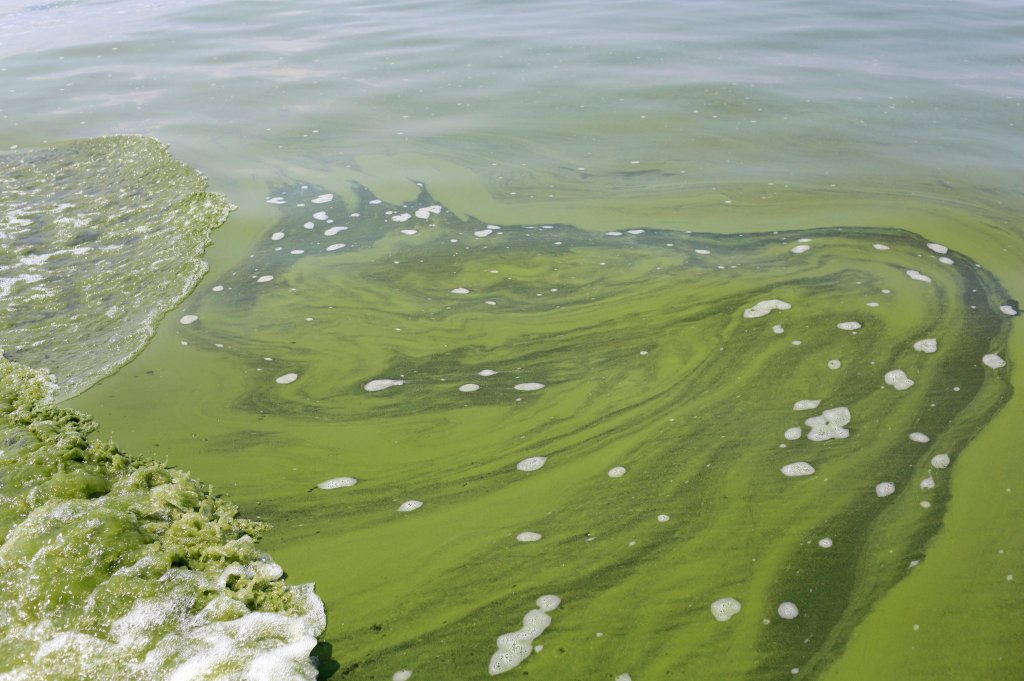
After a heavy rain, bacteria levels in rivers often spike. Fertilizers and animal waste feed algae blooms that make water smell and taste foul. Microplastics and toxic chemicals seep into groundwater.
Over time, repeated exposure to these contaminants has been linked to higher rates of cancer, developmental problems in children, and chronic illnesses.
For families who rely on private wells or who fish for food, the risks are even greater.
Stormwater runoff doesn’t just harm people. It can devastate ecosystems.
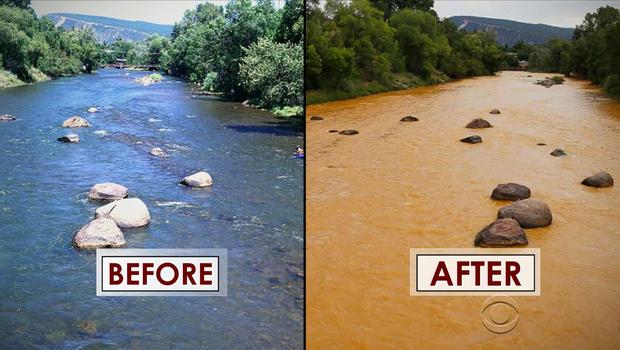
Algae blooms strip oxygen from water and create dead zones where fish and insects can’t survive. Sediment clouds the rivers, choking aquatic plants and smothering fish eggs. Some pollutants build up in fish tissue, threatening wildlife and anyone who eats them.
Even in small amounts, runoff damage adds up over time.
There is good news. Across Pittsburgh and other cities, communities are finding smart ways to tackle runoff.
Green infrastructure like rain gardens and permeable pavement helps rain soak into the ground instead of flooding into drains. Educational campaigns remind residents that “Only Rain in the Drain” isn’t just a slogan—it’s a rule.
And volunteers like you have labeled hundreds of storm drains to raise awareness and keep pollutants out.
Small changes at home make a big difference.
Sweep driveways instead of hosing them down. Never pour paint, oil, or cleaners into storm drains. Pick up pet waste promptly. Plant native vegetation to absorb runoff.
Support policies that fund green infrastructure and stormwater management.
And if you have an hour to spare, join a cleanup or help us label drains in your neighborhood.
 Pure Water For People