
How Pittsburgh’s industrial past shaped our waterways today

“When you picture Pittsburgh’s rivers today—kayakers gliding across the water, anglers casting lines—it’s hard to imagine they were once so polluted they could catch fire.”
David Attenborough
For generations, Pittsburgh’s steel mills powered the nation. Day and night, factories lined the banks and pumped out waste without limits. Chemical runoff, heavy metals, and raw sewage all ended up in the water. Stacks poured smoke into the sky. Slag and chemicals slid down chutes into the rivers. In some stretches, no fish survived.
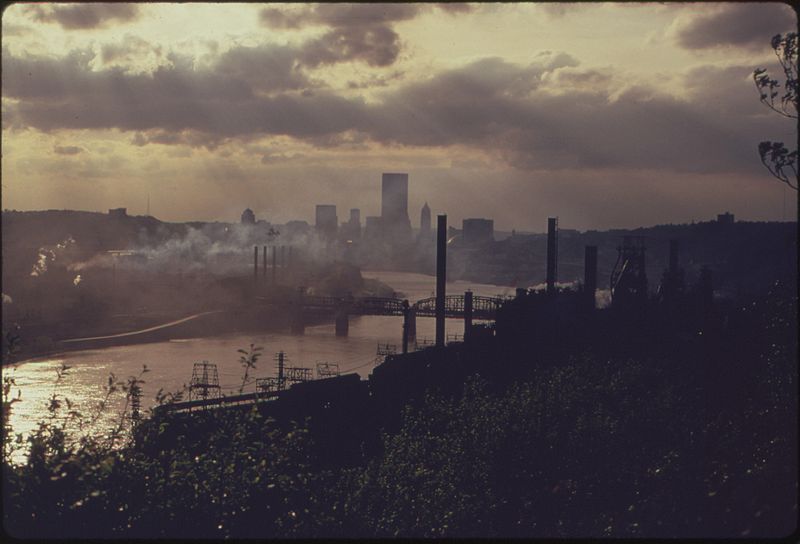
The consequences were impossible to ignore. Drinking water turned cloudy and foul. In hot weather, algae blooms and stench forced people indoors. Early research linked pollution to cancer and breathing problems in nearby neighborhoods. Entire ecosystems collapsed. Once-thriving fish populations disappeared.
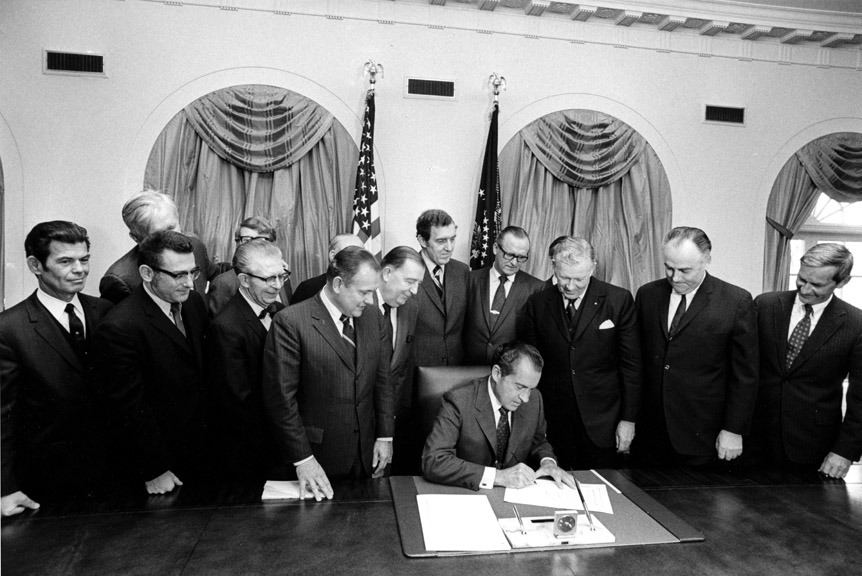
Change did not come quickly. But by the 1970s, the damage was impossible to ignore. When Congress passed the Clean Water Act in 1972, it finally forced industries to face their impact. Grassroots groups began to monitor water quality and push for enforcement.
Cities upgraded sewage plants. Dumping was restricted. It took decades, but the rivers slowly began to recover.
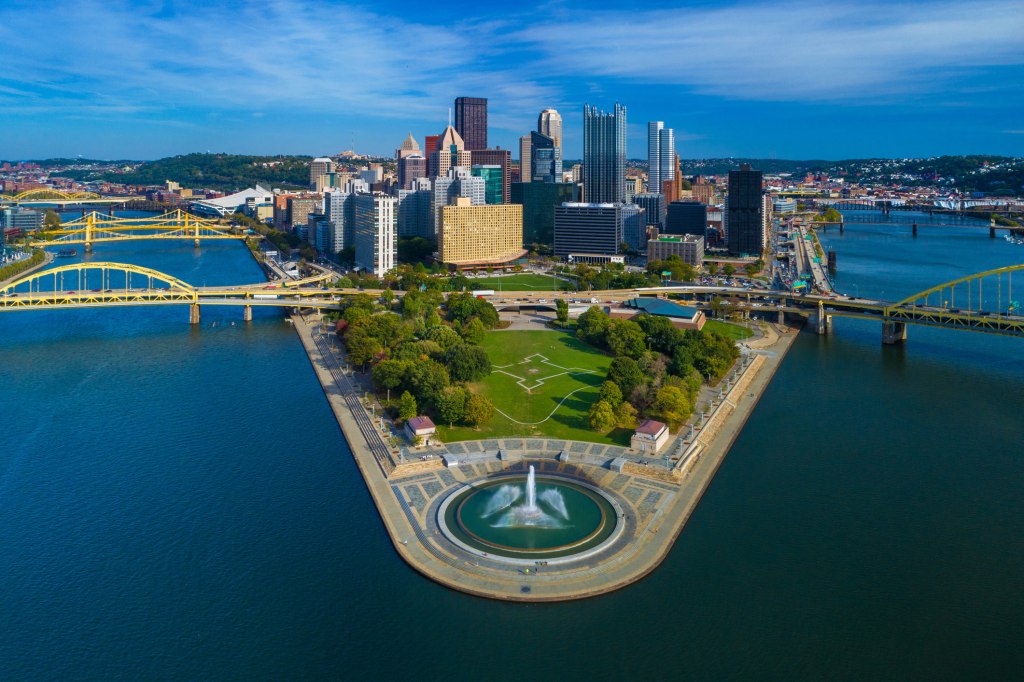
Today, the rivers look almost unrecognizable compared to the worst years. Fish have returned. You can see people fishing, kayaking, and picnicking by the water. It feels like a promise kept.
But this progress is fragile. Every storm still washes oil, trash, and lawn chemicals into the rivers. Toxic sediments from the last century still lie buried in many places. Microplastics drift silently through the water we all depend on.
The lesson is simple. Clean rivers do not stay clean by accident. They stay clean because people care enough to protect them.
When we forget this history, we lose sight of what it takes to keep our water safe. Every drain label, every filter distributed, every community cleanup is part of the same story—one that began when Pittsburgh decided its rivers were worth saving.
“A river doesn’t just carry water, it carries life.”
Amit Kalantri
 Pure Water For People