
The unseen toll of contamination on wildlife
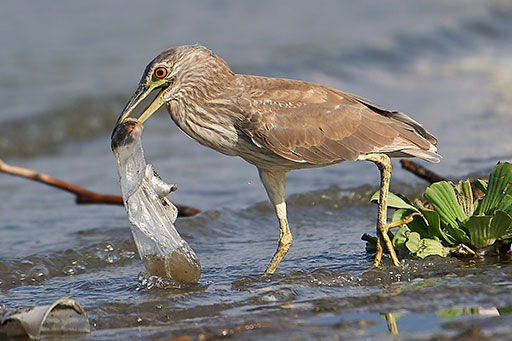
Picture a heron wading along a riverbank. Its beak darts into the water and emerges holding a fish wrapped in a thin film of plastic. Nearby, minnows scatter around bits of trash drifting downstream.
This scene is more common than many people realize. Clean water is the foundation of healthy ecosystems. When it disappears, wildlife pays the price first.
“If there is magic on this planet, it is contained in water”
Loren Eiseley
Pollution comes in many forms, each carrying its own dangers for fish and birds:
- Heavy metals: Mercury and lead can accumulate in tissues, damaging organs and impairing reproduction.
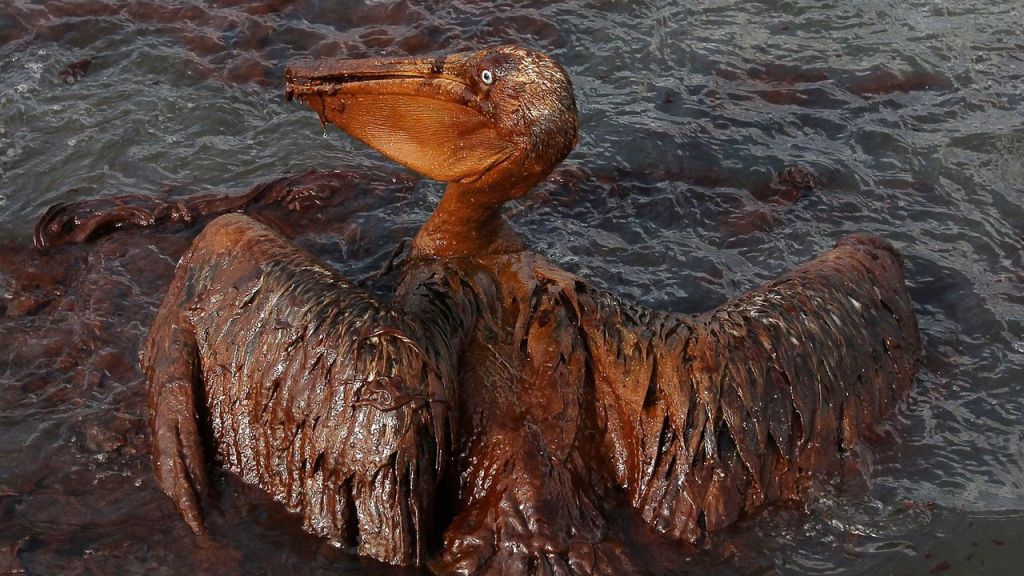
- Oil and chemical runoff: Slicks on the surface coat feathers and scales, reducing insulation and buoyancy.
- Plastic debris: From bags to tiny microplastics, plastic is often mistaken for food.
- Nutrient pollution: Excess fertilizers feed massive algae blooms that choke rivers of oxygen.
Over time, these pollutants can turn vibrant ecosystems into silent, empty water.
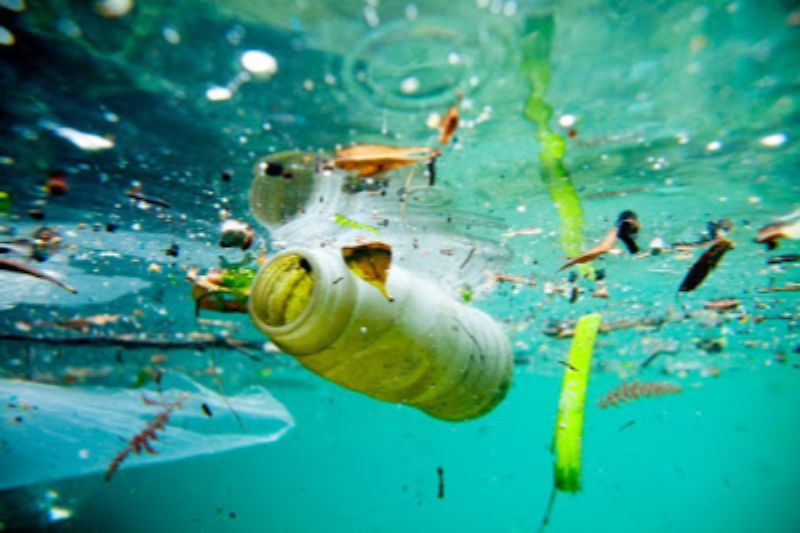
For fish, contamination is often a slow suffocation.
Algae blooms deplete oxygen levels, leaving little chance of survival for eggs and young fish. Toxic chemicals and metals settle into sediments, where they’re absorbed by bottom feeders and passed up the food chain.
Some contaminants interfere with hormones, causing deformities and reproductive problems. As fish populations decline, predators that rely on them—like herons and eagles—suffer too.

“No human being, however great, or powerful was ever so free as a fish”
John Ruskin
Birds are some of the first to feel the effects of dirty water.
When they eat contaminated fish, toxins build up in their bodies. Mercury can damage nervous systems and impair reproduction. Oil and plastics destroy the waterproofing on feathers, leaving birds vulnerable to cold and drowning.
Pollution also disrupts nesting areas. Litter and chemical runoff reduce food supplies, pushing some species to the brink.
The loss of fish and birds is not just a wildlife problem.
Fish kills can devastate local economies that depend on recreation and tourism. Contaminants accumulate in seafood, ending up on our dinner plates.
When biodiversity suffers, ecosystems become weaker and less able to clean water naturally or recover from disasters.
Clean water isn’t only for wildlife—it’s part of every healthy community.
The good news is that nature can heal when given the chance.
After years of cleanups and habitat protection, fish have returned to sections of the Ohio River once declared dead. Bird counts are rising in wetlands where pollution has been reduced. Community volunteers have transformed trash-strewn shorelines back into safe nesting grounds.
Every action adds up.
“Clean air, clean water, open spaces – these should once again be the birthright of every American”
Richard Nixon
Small steps can protect fish, birds, and the rivers we share.
- Participate in cleanups. Removing trash prevents entanglement and ingestion.
- Dispose of chemicals properly. Never pour oil, paint, or pesticides down drains.
- Support wetlands protection. Healthy wetlands filter pollutants before they reach rivers.
Your choices matter, even if you live far from the water’s edge.
Learn more about protecting wildlife:
 Pure Water For People